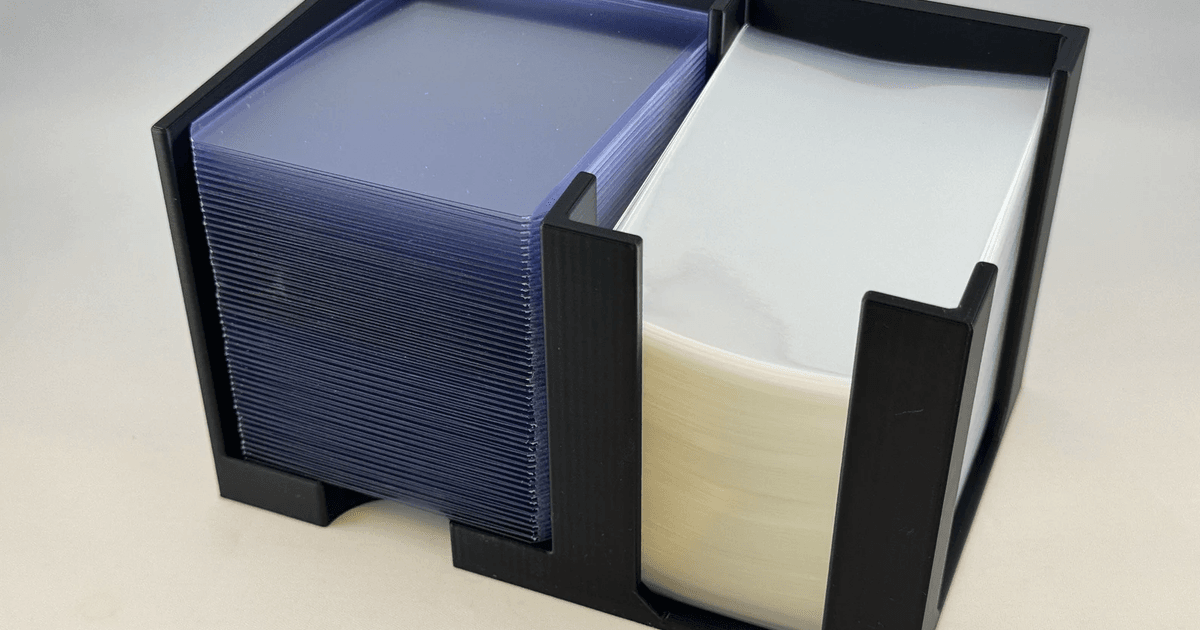
A 10-Cent Sleeve Protects a $300 Card
Every collector learns this the hard way once: a card you loved, left loose in a box or stacked under a stack of others, picks up a soft corner or a surface scratch. Overnight it drops a grade — and a grade can be the difference between a PSA 10 and a PSA 8, often a difference of hundreds of dollars.
Storage isn't busywork. It's the cheapest insurance in the hobby. A penny sleeve costs about a cent. The damage it prevents can cost you a four-figure card.
This guide covers exactly how to store and protect cards across Pokémon, Magic: The Gathering, Yu-Gi-Oh!, and One Piece — matched to how much each card is actually worth, so you don't over-spend protecting bulk or under-protect a grail.
Step 1: Know What You're Protecting
Before you buy a single supply, sort by value. You protect a $0.05 common very differently from a $400 alt-art, and guessing wastes money in both directions.
The fastest way to triage a pile is to scan it. With BankTCG, you can photograph a binder page or a whole showcase and get live prices for every card at once — then store each tier appropriately instead of sleeving bulk you'll never sell. Knowing the number first is what makes the rest of this guide cheap.
Three rough tiers to sort into:
- Bulk / commons — under ~$1. Protect from bulk damage, not much else.
- Mid-value / playables — ~$1–$50. Worth a sleeve and rigidity.
- High-value / chase — $50+. Worth premium protection, and possibly grading.
Step 2: The Protection Ladder
Match the protection to the tier. Here's the standard ladder, cheapest to most protective. (For the specific supplies and tools at each level — sleeves, holders, cleaning, humidity control — see our companion card cleaning & care tool kit.)
Bulk & commons
Cardboard storage boxes (often called 800-count, 1600-count, etc.), cards standing upright in rows. You don't need to sleeve true bulk — just keep them dry, upright, and not crammed so tight that pulling cards scuffs them. Upright matters: cards stored flat in tall stacks bow and warp under their own weight.
Mid-value & playables
Penny sleeve + a deck box, or a quality binder with side-loading pages. If you actually play with the cards, premium sleeves (the thicker, textured kind) survive shuffling far better than thin penny sleeves.
Valuable raw cards
Penny sleeve, then a toploader or card saver. The sleeve protects the surface; the rigid holder protects the corners and edges. Always sleeve before the toploader — sliding a bare card into rigid PVC is how edges get dinged. A team bag over the toploader stops the card sliding out and keeps dust off.
High-value & chase cards
Magnetic "one-touch" holders. They're rigid, UV-resistant, and seal shut, so the card can't slide or rattle. This is the standard for anything you'd be upset to damage — and a clean, well-centred card in a one-touch is also a card you should be thinking about grading (more on that below).
Graded slabs
Already protected by the case — but the slab itself can still scratch and the label can scuff. Store slabs in graded-card boxes or individual slab sleeves/bags, upright, out of direct sun.
Sleeves, Demystified
The sleeve aisle is confusing on purpose. You really only need three types:
- Penny sleeves — thin, cheap, soft polypropylene. The baseline. Buy in bulk.
- Perfect-fit / inner sleeves — snug sleeves that seal the card before a penny sleeve or premium sleeve goes over the top ("double-sleeving"). Standard for valuable raw cards and for play.
- Premium / deck sleeves — thick, opaque-backed, textured. For cards you shuffle.
The one rule that matters: avoid anything with PVC touching the card long-term. Look for "PVC-free," "acid-free," or "archival-safe" on sleeves and binder pages. PVC breaks down over years and can haze or damage the card surface.
The Four Enemies of a Mint Card
Supplies handle physical damage. These four kill cards slowly, and most collectors ignore them until it's too late.
- Light (UV). Sunlight and even strong indoor light fade ink over time — reds and yellows go first. Store cards out of direct sunlight; use UV-resistant holders for display pieces. Never display a chase card in a sunny window.
- Humidity. Damp warps cards and can grow mould; bone-dry brittles them. Aim for a stable, moderate indoor humidity. A few silica gel packs in your storage box are cheap insurance — replace or recharge them periodically.
- Heat & temperature swings. Attics, garages, and cars cook cards and warp toploaders. Store at stable room temperature. Avoid exterior walls and anywhere that swings hot/cold across seasons.
- Handling & oils. Fingerprints and skin oils etch surfaces over time. Handle valuable raw cards by the edges with clean, dry hands — or leave them sleeved and don't handle them at all.
Binders: Do's and Don'ts
Binders are the best way to enjoy a collection — but a bad binder is a slow-motion disaster.
- Do use a binder with side-loading pages (cards can't fall out the top).
- Do confirm the pages are PVC-free / archival-safe.
- Don't use cheap top-loading "magnetic-closure" binders with PVC pages for anything valuable.
- Don't overstuff. An over-packed binder presses cards together and dents corners every time it's opened.
- Don't store binders flat in a stack — store them upright on a shelf, spine out, so weight doesn't crush the pages.
Common Storage Mistakes That Cost Real Money
- Rubber-banding stacks of cards — the bands cut lines into edges and warp the stack. Never.
- Stacking loose cards — surface-to-surface friction scratches. Sleeve or box.
- Basement / attic / garage storage — humidity and temperature swings. Keep cards in living space.
- Top-loading binder pages — cards slide out and hit the floor. Side-loading only.
- Cheap PVC sleeves on valuable cards — false economy. Archival-safe only for keepers.
- Skipping the sleeve before the toploader — the single most common way edges get damaged.
When Protection Turns Into Grading
For your best cards, the ultimate protection and value play is professional grading — a sealed, authenticated slab. But grading costs money and time, and not every card is worth it.
Before you submit anything:
- Check whether the card is even worth grading with our data-driven guide to whether you should grade.
- Run the numbers with the free PSA Profit Calculator — cost, fees, and the PSA 10 rate you need to break even.
- Decide between graders with our PSA vs BGS comparison, and learn to read slabs with the PSA Label Museum.
- And make sure it's real first — see how to spot a fake.
A card you're protecting in a one-touch because it looks mint is exactly the card to pre-grade before you pay submission fees.
How BankTCG Helps You Store Smarter
Good storage starts with knowing what you have. BankTCG lets you:
- Scan a whole binder page or box in one photo and get live prices for every card — so you sleeve and toploader the cards that deserve it and stop wasting supplies on bulk.
- Pre-grade with AI centering analysis before you commit a card to a one-touch (or a grading submission).
- Track every card's value in your Vault, so you know what your protected collection is actually worth and get alerted when a card spikes.
It's free to start — 5 scans a month, no account or credit card required.
Quick-Reference Checklist
- ☐ Sort by value before buying supplies
- ☐ Bulk → upright in cardboard boxes
- ☐ Valuable raw → penny sleeve inside a toploader, then a team bag
- ☐ Chase cards → magnetic one-touch holders
- ☐ Graded slabs → slab boxes/bags, upright, out of sun
- ☐ Only PVC-free / archival-safe sleeves and binder pages on keepers
- ☐ Out of direct light; stable room temperature; silica gel for humidity
- ☐ Binders side-loading, not overstuffed, stored upright
- ☐ Handle valuable raw cards by the edges with clean dry hands
- ☐ Pre-grade your best cards before paying for submission
Protect the cards that are worth protecting — and know which ones those are before you spend a cent on supplies.